


Company official website
- Weichai Group


As urban delivery demand continues to rise, light trucks are becoming
increasingly critical to daily logistics. With fluctuating fuel prices, heavier
workloads, and longer vehicle lifecycles, operators are focusing more than ever
on controlling long-term operating costs. In response, WEICHAI New Energy has
launched the LANDKING H light truck series, designed specifically for urban
distribution. Featuring a well-balanced powertrain, improved fuel efficiency,
and robust reliability, the LANDKING H helps operators maintain consistent
performance while reducing long-term operational risks.
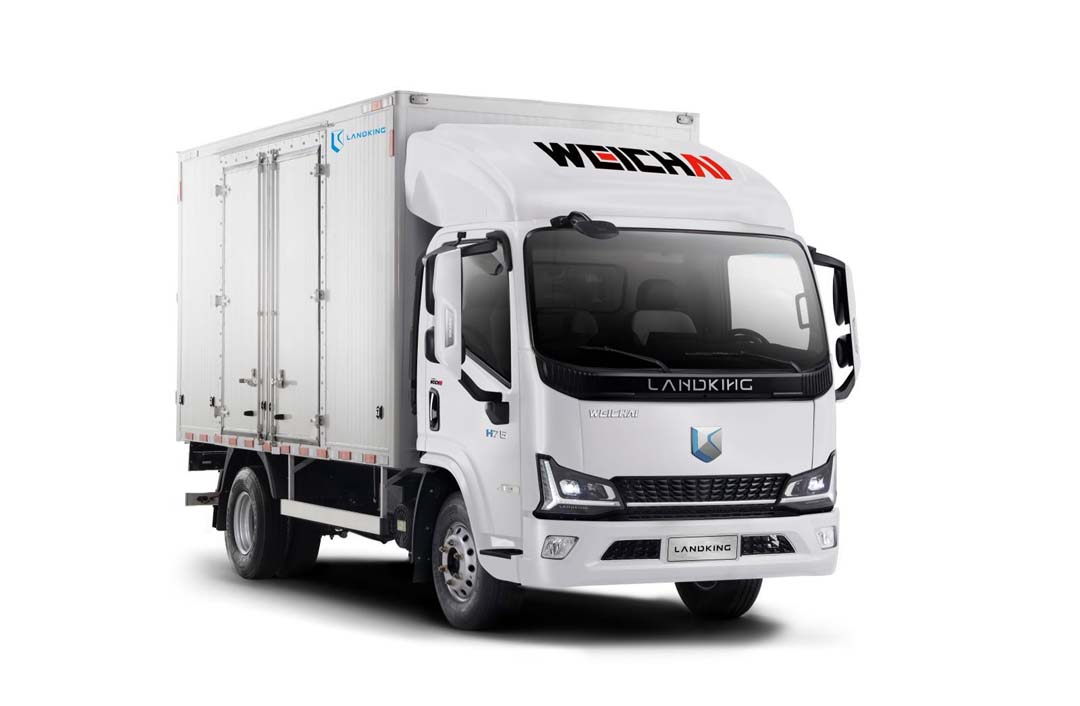
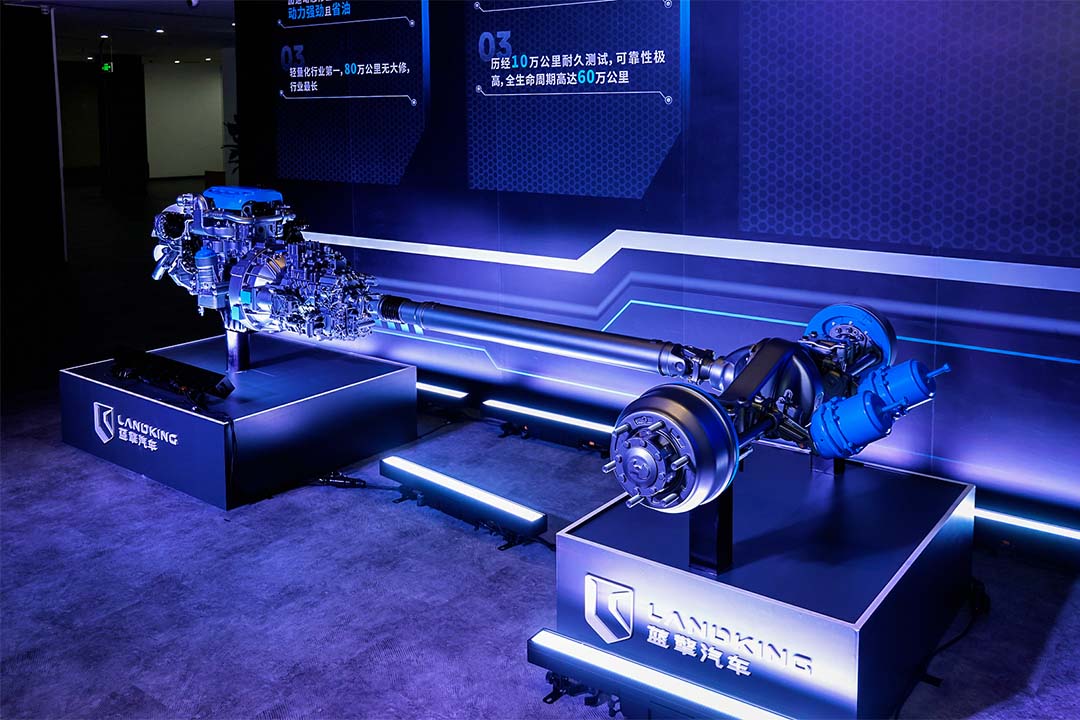
The LANDKING H features a complete “golden” drivetrain, combining a Weichai
engine, a Fast AMT or manual transmission, and Hand axle systems. Optimized
combustion, efficient turbocharging, and precision gear matching reduce fuel
consumption by about 3% compared with similar trucks. In typical urban delivery
conditions—frequent stop-and-go traffic and long hours on the road—fuel use
remains consistent, helping operators manage daily operating costs more
reliably.
To meet different load levels and operating scenarios, the LANDKING H offers
three engine options: WP2.3N, WP2.5N, and WP3N, designed for light-load urban
deliveries, high-frequency city routes, and regional transport. The WP2.3N
boosts overall vehicle performance by 4%–9% while cutting fuel consumption by
2%–5% compared with similar trucks. The WP2.5N delivers near 3.0L-class power
while maintaining low fuel use, with a fuel efficiency advantage of around 4%.
The WP3N engine is optimized for a wide range of operating conditions, avoiding
energy waste from over- or under-powered setups, and can reduce fuel consumption
by 4%–15% compared with comparable models.
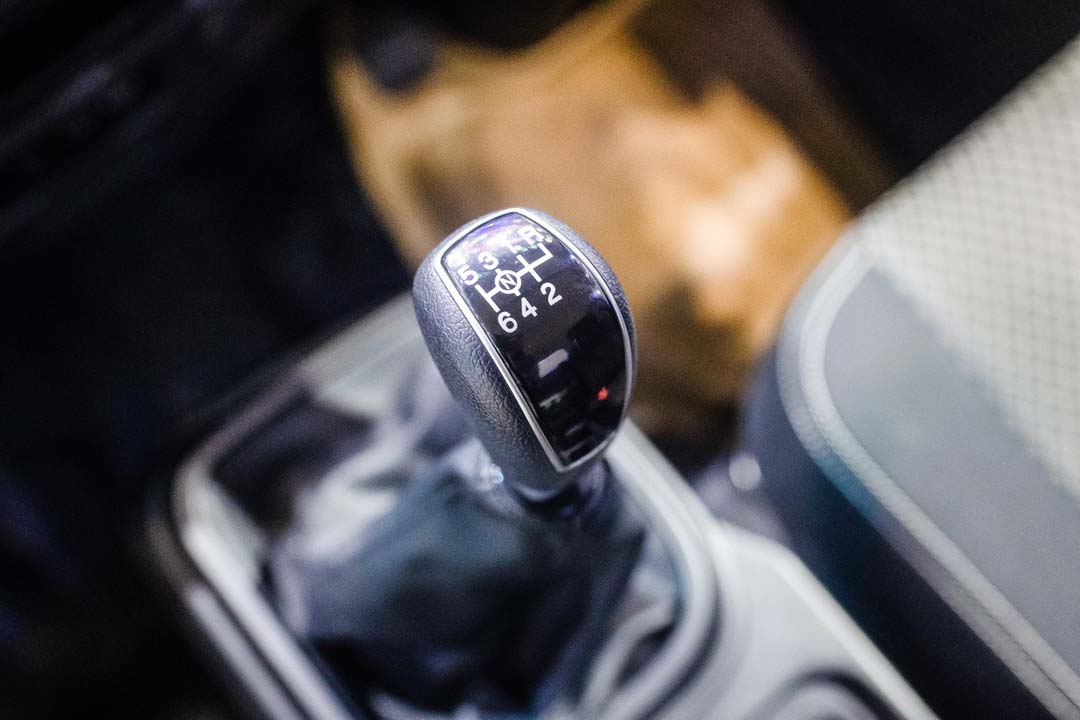
The LANDKING H is equipped with Fast 6-speed and 8-speed transmissions that
improve overall efficiency by 5%–8% compared with industry norms. Optimized gear
design and refined rolling and sealing structures reduce internal friction by
40%, allowing the drivetrain to reach up to 96% power transmission efficiency.
On the AMT model, shift times are shortened by 50% and power interruptions are
reduced by 40%, helping cut fuel consumption by around 8% in city stop-and-go
driving, effectively lowering energy use per kilometer.
Long-term operating costs go beyond just fuel. The LANDKING H’s HANDE front
and rear axles have undergone 33 full-Axle tests and six-axis fatigue bench
trials, achieving a B10 service life of over 800,000 km. This high level of
durability under intensive use helps cut maintenance frequency and costs. At the
same time, the engine’s upgraded electronic control system reduces failure rates
by more than 80% and is specially calibrated to handle different fuel qualities,
ensuring reliable operation even in challenging conditions.
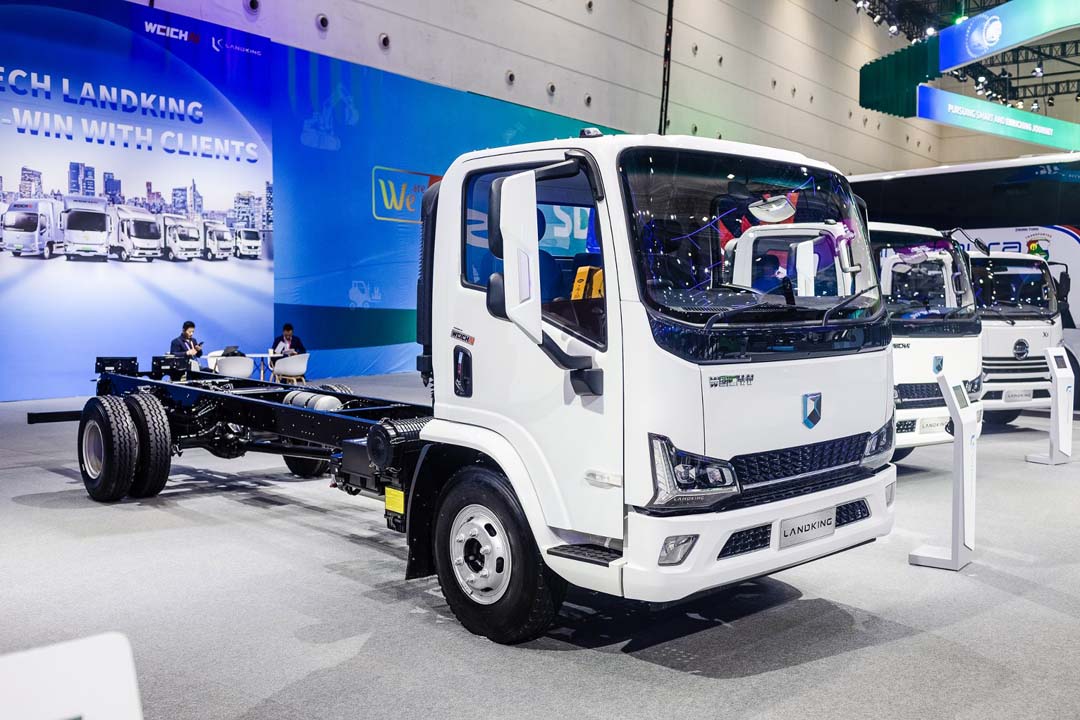
Lightweight design is another key factor in the LANDKING H’s efficiency. By
incorporating components such as an aluminum flywheel housing and other
lightweight structural parts, the truck keeps its overall weight under control
without compromising load capacity. This not only reduces energy loss from the
vehicle’s own weight but also allows operators to carry more cargo within legal
limits.
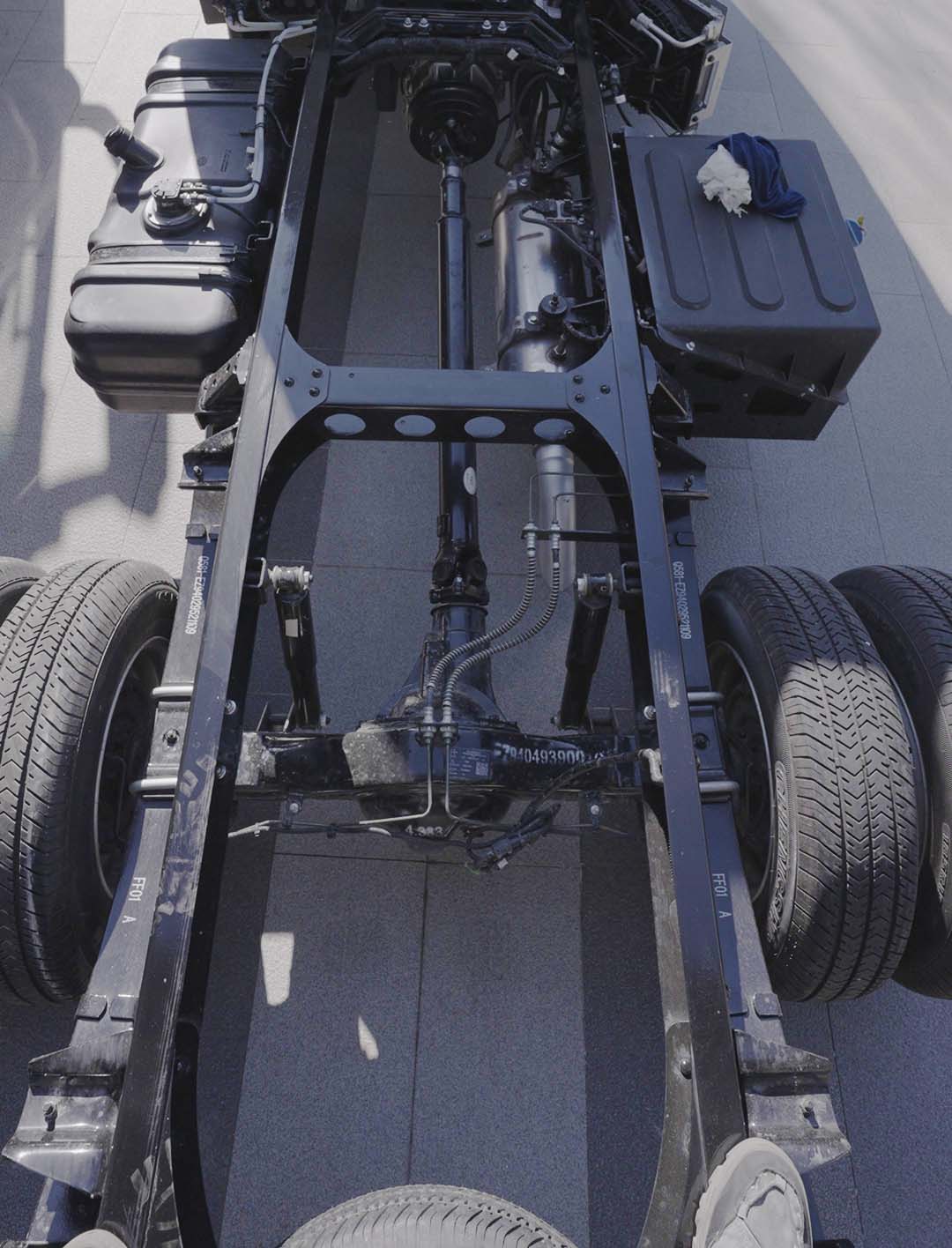
In terms of durability, the LANDKING H is built on a high-strength steel
frame that has passed 500,000 bending fatigue cycles and 350,000 torsion fatigue
cycles, equivalent to a real-world service life of over 700,000 kilometers. The
truck has also undergone extensive testing under extreme conditions—freezing
cold, high heat, high-altitude, and rough roads—accumulating more than one
million kilometers in total test mileage. These rigorous validations ensure a
solid foundation for reliable, long-term operation.
For logistics operators, real savings go beyond single-trip fuel efficiency.
Consistent fuel use, predictable maintenance, and durable vehicles are what
truly matter. By addressing these practical needs, the LANDKING H delivers a
balanced solution that combines reliable performance with lower long-term
operating costs.
Overall, the LANDKING H is designed with the full vehicle lifecycle in mind,
systematically optimizing long-term operating costs rather than focusing solely
on short-term efficiency. It provides urban delivery and regional transport
operators with a practical solution that delivers efficiency, cost control, and
long-term reliability.


